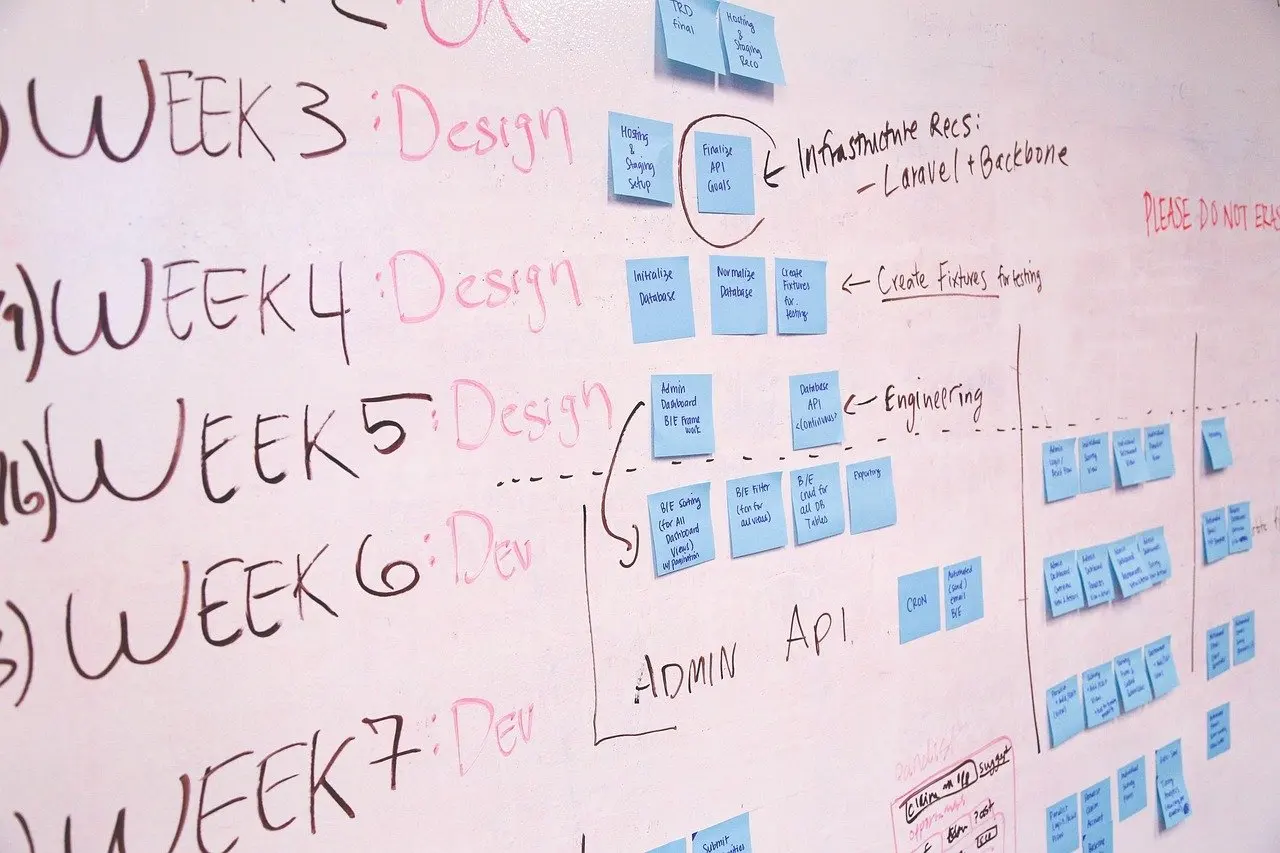

What does a UX designer do? A UX designer researches how people use a product, then designs and tests the screens and flows so the product is easy and enjoyable to use, handing the result to developers and product managers to build.
The role is one of the best-known tech jobs, and it overlaps with the product manager role compared in product manager vs project manager vs program manager. The clearest way to see the work is to follow a single feature, such as a new search filter in an app, from the first research question to the shipped screen.
Why the work happens in stages
UX design runs as a sequence because each stage reduces the risk of the next one. Research tells the designer what to sketch, sketches are cheap to change, and testing shows whether the sketch works before developers spend time building it. Lyssna describes user research as the foundation of UX design work, and notes that good UX designers treat the process as iterations rather than a single pass.

That loop explains most of a designer’s week. Day to day, the work moves between asking users questions, drawing structures, building something clickable, watching people use it and talking to the team about what to change. The stages below follow that order.
User research and synthesis
The first task is turning a vague product idea into a research question, for example why people abandon a search page. A UX designer then picks a method that fits the question. Mailchimp’s overview of the role lists conducting user research and evaluating user feedback among the core responsibilities of a well-rounded UX designer, so research is part of the designer’s job and is not handed to someone else by default.
Choosing a research method
Different methods answer different questions, and they need different numbers of people. Lyssna gives typical participant counts for common methods.
| Method | Typical participants | Planning use |
|---|---|---|
| Interviews | 5-8 participants | Suits early questions about goals and frustrations, when the team does not yet know what to design. |
| Usability testing | 5-10 participants | Suits checking task completion and pain points on a prototype before development. |
| Surveys | 100+ participants | Suits questions that need a larger sample, so it takes longer to run than a small test. |
These participant counts come from Lyssna’s guide to the UX designer role.
For a feature with an unclear problem, interviews usually come first because they need the fewest people. Surveys fit better once the team has a specific question to measure.
Personas and user flows
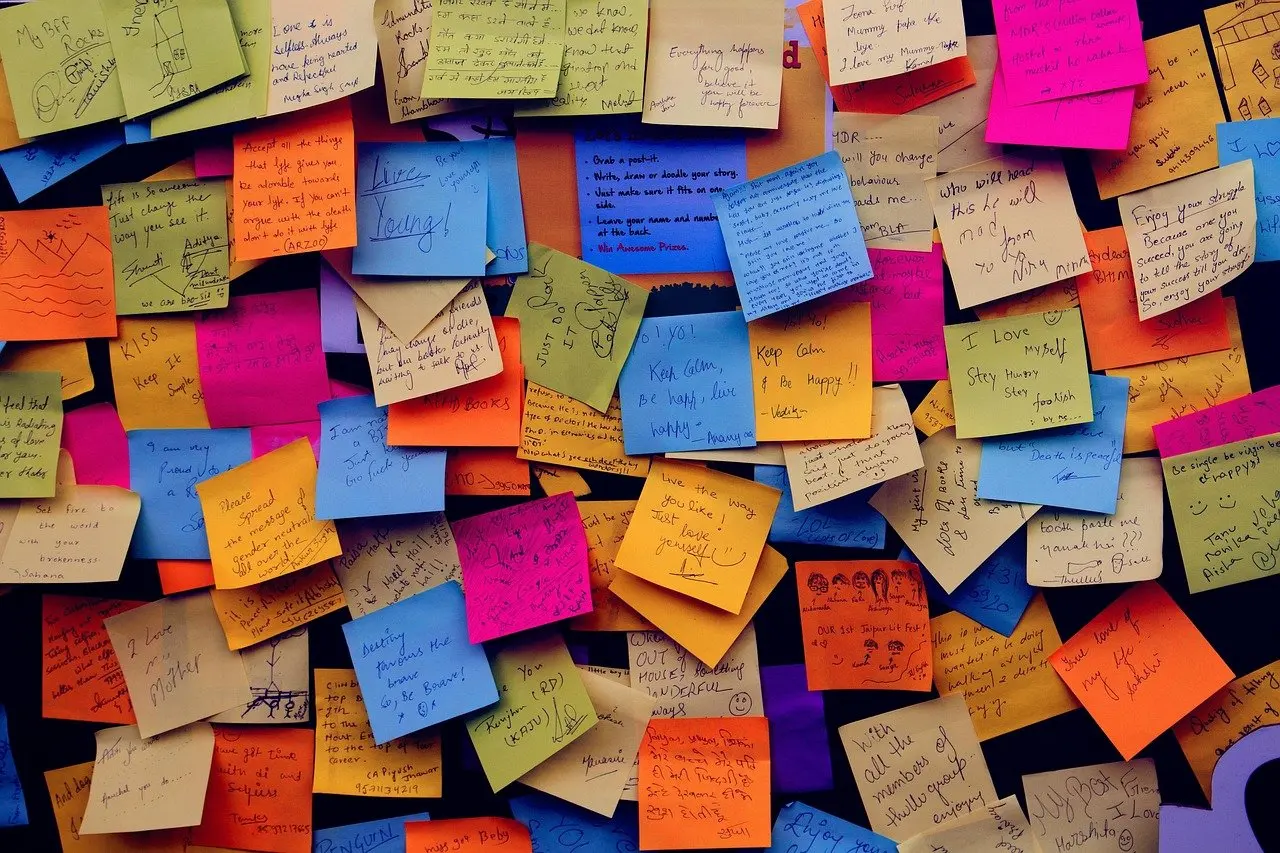
After the sessions, the designer groups what was heard into patterns. Lyssna describes user personas as detailed descriptions of typical users, including their goals, behaviors and pain points, and user flows map the steps a person takes to complete a task. In the search-filter example, a persona might capture a shopper who wants to narrow results quickly, and the flow would trace each step from the results page to the chosen item.
Wireframes and prototypes
Wireframes turn the flow into screens without visual polish. Lyssna defines wireframes as basic sketches that show the structure of a page or screen. Because they carry no colour or imagery, stakeholders discuss layout and priorities instead of styling, and a change costs minutes.
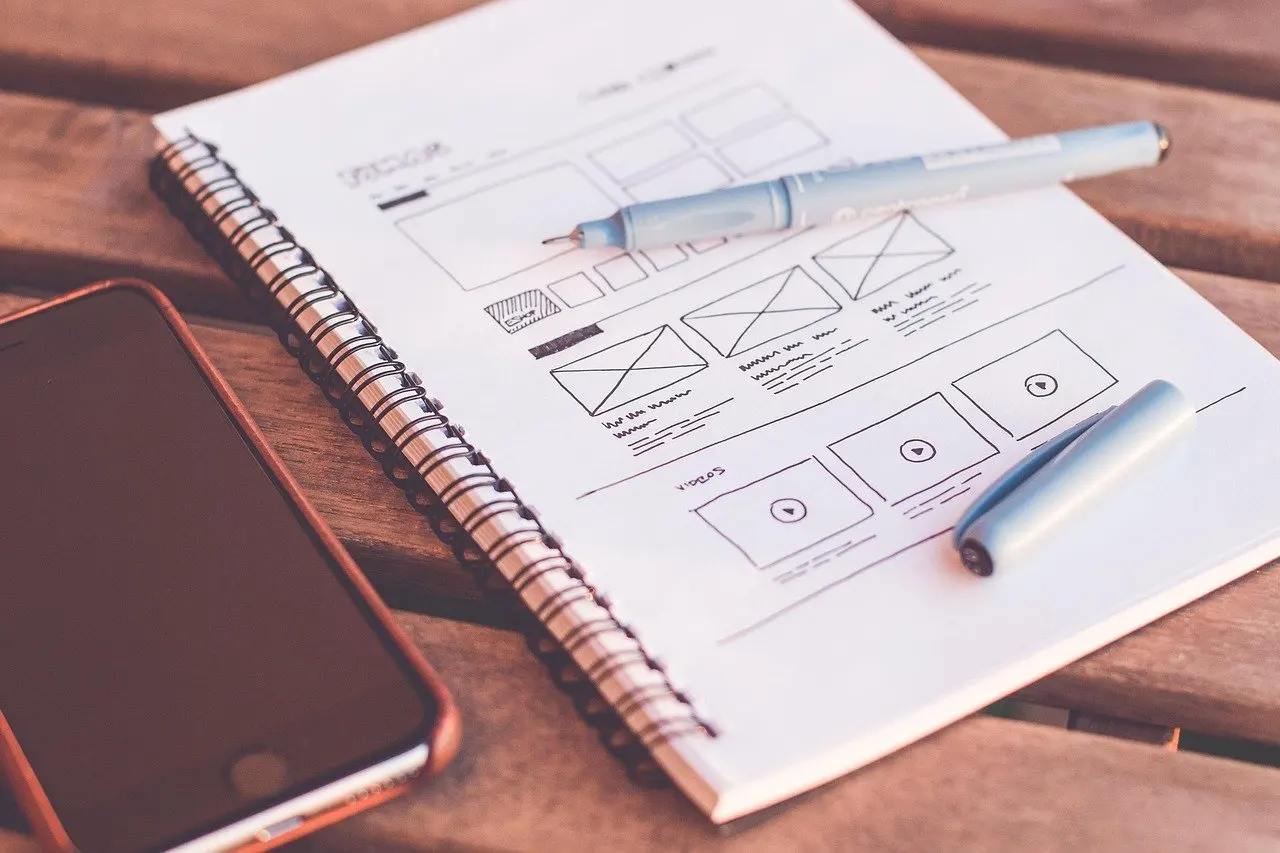
A prototype is the next step up. Lyssna describes prototypes as interactive versions that let people click through and test how the product works. A designer builds one once the wireframes settle, because only something clickable can show whether the flow makes sense to a person who has never seen it. Mailchimp lists building wireframes and prototypes, alongside designing flows, in the responsibilities of a UX designer.
Usability testing and iteration
Usability testing is where the design meets real users. According to Lyssna, it involves watching real people try to use the product while completing specific tasks. For the search filter, a task could be to find a particular item using the new control while the designer observes where the participant hesitates or goes wrong.
The findings feed straight back into the design. Lyssna notes that designers refine their work through multiple rounds of testing and iteration, so a prototype is usually revised and tested again rather than approved after a single session. Observing users as they interact with products or prototypes is listed there as a core research skill, which makes the quality of the observation as important as the quality of the screens.
Treat a failed test as useful output. A designer who finds a problem at the prototype stage spares developers from rebuilding something that is already shipped.
Handoff and working with developers and product managers
Once a tested design is stable, the designer passes it to developers. This design handoff is the point where the prototype and screens become the reference for the build. Lyssna says UX designers work closely with product managers, developers and other designers, which means the handoff is a conversation that continues during the build and not a single file transfer.

The product manager sits on the other side of the designer’s work. A product manager brings priorities and constraints, while the designer brings evidence about what users can actually do. Mailchimp describes UX designers as working with a team of skilled professionals who follow their direction, though in practice the relationship with developers and product managers is closer to collaboration, as Lyssna describes it. Both can be true: the designer sets the experience direction and the team shapes how it is built.
The work does not stop at launch. Mailchimp states that the job of a UX designer is not finished when the product goes online, so the designer keeps evaluating how people use what shipped and feeds that into the next round of changes.
Skills a UX designer needs
The skills map directly onto the stages above. Mailchimp separates them into hard and soft skills.
- Hard skills: research, wireframing, prototyping, writing and visual communication. These cover the deliverables from the stages above.
- Soft skills: empathy, communication, collaboration and project management. Empathy drives the interviews and test sessions, while communication and collaboration carry the handoff.
- Observation: Lyssna lists observing users as they interact with products or prototypes as a core analytical skill, which is why research ability weighs as heavily as drawing ability.
Someone moving into the field from another career should look for the gap between their current strengths and this list. A strong writer, for instance, already holds one hard skill and can focus on research and prototyping first.
Do UX designers need to code?
No, coding is not required for most UX roles. Lyssna states that technical skills are helpful but not mandatory for most UX positions. Mailchimp takes a stronger line, saying that the more development skills a designer brings, the better, and that the best UX designers have a solid background in the nuts and bolts of web development.
The practical reading is that basic technical understanding makes handoff smoother, because the designer can discuss what is feasible with developers. Deeper coding is an advantage for postings that sit close to development, but it should not hold back someone whose strengths are research and design.
UX designer versus product designer
The two titles overlap, and employers do not always use them the same way, so the task list in a posting is a better guide than the title. One useful distinction comes from Mailchimp, which describes UI design as a subset of UX design and as a drafting phase of it. A role centred on screens and visuals therefore sits at the UI end, while a role that includes research, flows, testing and collaboration with product managers matches the fuller UX scope described above.
When comparing postings, check how much research and testing the role owns, how much of the work is visual drafting, and which team members the designer works with. Those details separate roles more reliably than a product or UX label does.
What a UX portfolio needs to show
A UX portfolio is judged on process, not only on finished screens. Lyssna advises showcasing process and thinking through 3-5 case studies. Following the sequence here gives each case study a shape: the research question, what users said or did, how the wireframes and prototype changed after testing, and what shipped.
Mailchimp adds that a strong portfolio should exhibit projects where the designer delivered valuable results. Pair each case study with the outcome, and be clear which parts the designer did personally and which were shared with developers and product managers.
Frequently asked questions
Is UX design the same as web design?
No. Mailchimp says a user experience designer is not focused on the minutiae of web design, but on the experience of using a site or software. Statista describes web developers and digital interface designers as the roles responsible for designing and developing websites or interfaces, including layout and graphics, which is a narrower scope than UX research and testing.
Who coined the term user experience?
According to Lyssna, the term was first coined by Don Norman at Apple in the 1990s.
Does a UX designer’s work end when the product launches?
No. Mailchimp notes that the job continues after the product goes online, because the designer keeps evaluating how people use it and brings that evidence into later changes.