

cookiesforlove raspberry lemonade cookies is a search that joins a food blog’s name to a fruity, tart-and-sweet cookie idea. Cookiesforlove is a food blog with baking pages, and raspberry lemonade cookies are a cookie flavoured with lemon and raspberry. This article explains both halves and how they connect.
| What is cookiesforlove? | A food blog with baking content, guided by a stated mission of quality ingredients, customization and community. |
| What are raspberry lemonade cookies? | Cookies that combine lemon zest or juice with raspberries, in a soft or crisp style. |
| Is there a contact route? | Yes, the site has a Contact Us page that invites questions, suggestions and feedback. |
| Does the blog cover bread too? | Yes, the home page describes bread baking guides. |
What cookiesforlove is
Cookiesforlove is a food blog. Its About page describes CookiesForLove as founded by a passionate baker, with a mission built around quality ingredients, customization and community.
It states some values. The About page says the brand supports local farmers and uses eco-friendly practices. Those are the site’s own words about itself, and they sit alongside the baking material on its pages.
It is a publication, not a bakery counter. The home page presents a blog, with articles that carry bylines from named writers. A reader who types cookiesforlove raspberry lemonade cookies is therefore most likely looking for a recipe-style page or a flavour idea, not a shop menu.
The flavour half of the phrase is simple. Raspberry brings fruit and a little acidity, and lemonade brings citrus and sugar. Together they point to a bright cookie that tastes tart first and sweet after.
How the brand and the cookie fit together
The brand supplies the setting. A blog about cookies and baking is a natural home for a flavour combination like this one, and the About page’s focus on quality ingredients suits a cookie that depends on fresh fruit and citrus.
The flavour supplies the question. People type a brand name beside a flavour when they want to know whether that site has covered it. The answer lives in the site’s own pages, so the reliable route is the home page, where the blog’s articles are presented.
The cookie itself has a few moving parts. A base dough of butter, sugar, egg and flour carries the flavour. Lemon zest gives aroma, lemon juice gives tang, and raspberries, fresh, freeze-dried or as jam, give colour and fruit. A glaze or a dusting of sugar can finish the top.
Each part affects the others. Fresh raspberries add moisture, so they change the texture. Freeze-dried raspberries add flavour without much water. Lemon juice in the dough can thin it, which is why many bakers lean on zest inside and juice in a glaze.
Phrasings people use and what each is after
The same interest shows up in several wordings. Each one points at a slightly different need.
- cookiesforlove raspberry lemonade cookies: a reader wants a raspberry and lemon cookie from this particular blog, or wants to know what the blog says about the flavour.
- cookiesforlove kitchen tech tools: a reader wants gadgets and appliances for baking, such as ovens, mixers and scales, in the same blog’s voice.
- cookiesforlove bread: a reader wants the blog’s bread baking guides. The home page describes the site as offering perfect bread baking guides.
- food packaging options cookiesforlove business: a reader wants ways to wrap and ship cookies, perhaps for a small baking business or for gifts.
- crumbl cookies cherry hill cookiesforlove: a reader is combining a well-known cookie shop’s location with this blog’s name, usually while hunting for a flavour or a local shop.
- crumbl cookies san jose cookiesforlove: the same pairing with a different city. A shop’s hours, address and weekly menu come from that shop’s own channels, not from a food blog.
These phrasings share one habit. Readers stack a brand name onto a topic and let the search engine sort it out. A clear starting point is the blog’s home page, and the Contact Us page is there for questions.
The wider topic: flavoured cookies and what surrounds them
Fruit-and-citrus cookies belong to the broader craft of flavoured baking, where a single bright note is added to a familiar dough. Lemon bars, raspberry thumbprints and strawberry shortcake cookies all work this way.

Flavour balance. Butter and sugar are rich, so tartness keeps a cookie from feeling heavy. Lemon and raspberry both supply acid, which is why the pairing is common.
Equipment. Baking results depend on the oven. Many home bakers use a countertop toaster oven for small batches, and its smaller cavity can brown cookies faster than a full-size oven, so watching the first tray matters. This is the kind of topic behind a phrase like cookiesforlove kitchen tech tools.
Packaging. Soft, fruit-filled cookies need more care in transport than a crisp shortbread. Airtight containers, parchment between layers and cooling fully before closing a box all help. Gift bakers also add small touches such as QR codes on gift tags, a trend one of the site’s posts mentions for holiday cookie gifts.
Bread as a neighbour. Cookies and bread share skills: measuring, resting dough and reading an oven. That is why a baking blog can reasonably carry both.
Where cookiesforlove raspberry lemonade cookies sit on the site
The facts give a few clear places to look, and they are listed here in plain terms.
- The home page: the blog’s front door, where its articles and its bread baking guides are presented.
- One baking article: “The Sweet World of Homemade Baking and Cozy Desserts”, published May 6, 2026, is the closest match to a cookie and dessert interest.
- The About page: the brand’s stated mission and values.
- The Contact Us page: it invites questions, suggestions and feedback from cooks. The email shown for contact is [email protected].
What happens step by step behind a raspberry lemonade cookie
Step 1: cream the fat and sugar. Butter and sugar are beaten until pale. This traps air and sets the cookie’s tenderness. Lemon zest is often rubbed into the sugar first so the oils spread through it.
Step 2: add egg and lemon. An egg binds the dough, and a little lemon juice brings the tang. Too much juice makes the dough loose, so recipes usually keep it small.
Step 3: fold in the dry mix. Flour, baking powder or soda, and salt go in last. Mixing only until combined keeps the cookie soft instead of tough.
Step 4: add the raspberries. Freeze-dried pieces blend in easily. Fresh or frozen berries are folded gently, since they break and bleed colour if stirred hard. Chilling the dough afterwards helps it hold its shape.
Step 5: bake and cool. Cookies bake until the edges set while the centres stay soft. A rest on the tray lets them firm up before moving to a rack.
Step 6: finish. A thin lemon glaze or a dusting of powdered sugar adds the lemonade note on top. Let it set before packing.
Raspberry lemonade cookies next to a similar thing
The nearest cousin is the plain lemon cookie, and the contrast is easy to see. A lemon cookie is built around one bright flavour. A raspberry lemonade cookie adds fruit, which brings colour, a slight chew and more moisture, and so it needs a little more care in baking and storing.
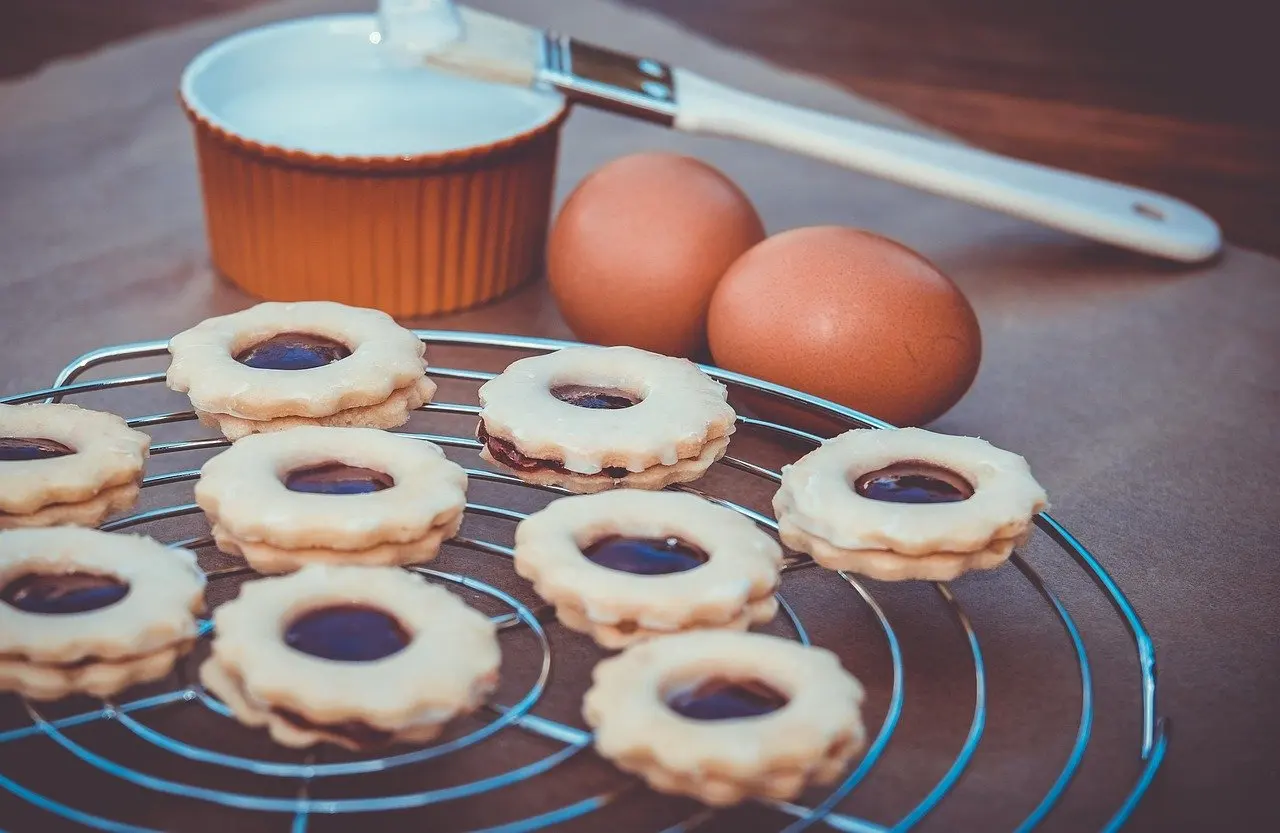
A raspberry thumbprint is another neighbour. It holds jam in a well in the centre, so the fruit sits apart from the dough. In a raspberry lemonade cookie the fruit is mixed through, so every bite carries both flavours.
The same difference applies to a blog and a bakery. A blog such as cookiesforlove explains how to make or think about a cookie, while a cookie shop sells a fixed menu at set locations. Mixing up the two is why phrases pairing a shop’s city with a blog’s name come up at all, and the right source depends on whether the reader wants to bake or to buy.